If you’re searching for the correct dark souls games in order, you’re in the right place. The Dark Souls series is one of the most influential action RPG franchises ever created, known for its brutal difficulty, deep lore, and rewarding gameplay loop.
This complete guide explains the dark souls games in order, including release order and chronological timeline, so you can experience the series without confusion.
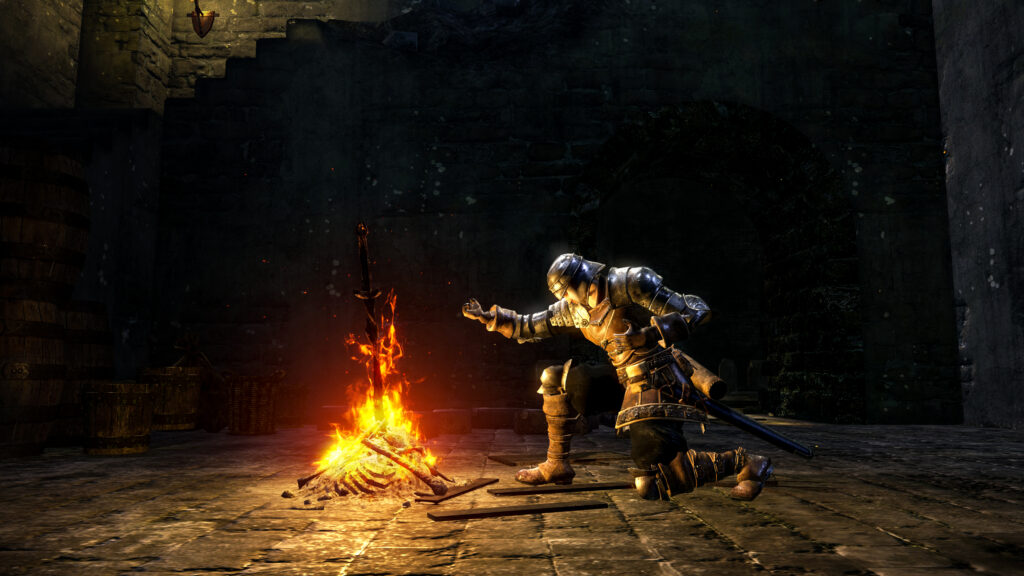
Best Way to Play Dark Souls Games
The best dark souls games in order for most players is the release order. While the games are loosely connected, each entry builds on gameplay mechanics and world design from previous titles.
Unlike traditional story-driven games, Dark Souls focuses more on environmental storytelling. This means you don’t need to strictly follow a timeline to enjoy the series.
However, playing in release order gives you the most natural progression in both difficulty and mechanics.
Dark Souls Games in Release Order
- Demon’s Souls (2009)
- Dark Souls (2011)
- Dark Souls II (2014)
- Dark Souls III (2016)
This release order is the most recommended dark souls games in order because it allows players to see how the series evolved over time.
Demon’s Souls introduced the core formula, while Dark Souls expanded it into a connected world. Later entries refined combat and pacing, making the experience smoother but still challenging.
Dark Souls Chronological Order
- Demon’s Souls (separate universe)
- Dark Souls
- Dark Souls II
- Dark Souls III
Is Elden Ring Connected to Dark Souls?
Many players wonder if Elden Ring is part of the Dark Souls timeline. While both games share similar gameplay mechanics and are developed by FromSoftware, Elden Ring is not directly connected to the Dark Souls universe.
It features a completely new world, story, and lore. However, fans of Dark Souls will feel right at home due to the similar combat and design philosophy.
The dark souls games in order timeline is intentionally vague. The developers designed the story to be interpreted rather than clearly explained.
Most players agree that the Dark Souls trilogy follows a loose chronological order, while Demon’s Souls exists in its own separate universe.
Understanding the Dark Souls Story
One of the most unique aspects of Dark Souls is its storytelling style. Instead of cutscenes and direct narration, the story is hidden in item descriptions, world design, and NPC dialogue.
This means players must piece together the lore themselves, which creates a deeper level of engagement.
The central theme revolves around cycles—light and dark, life and death, and the inevitable decay of kingdoms. This philosophical approach is part of what makes the series so memorable.
Gameplay Evolution Across the Series
Demon’s Souls introduced the core mechanics: stamina-based combat, high difficulty, and punishing consequences for failure.
Dark Souls expanded on this by creating a seamless, interconnected world that rewarded exploration.
Dark Souls II experimented with scale and build variety, offering more freedom but sometimes inconsistent design.
Dark Souls III refined everything into a faster, more polished experience that appealed to both new and veteran players.
Why Dark Souls Is So Popular
The popularity of Dark Souls comes from its challenge and fairness. The game is difficult, but it rarely feels unfair. Every death teaches you something.
Another key factor is the sense of accomplishment. Defeating a difficult boss after multiple attempts creates a level of satisfaction that few games can match.
The series also encourages exploration and experimentation, allowing players to approach challenges in different ways. dark souls games in order
Which Dark Souls Game Should You Start With?
If you’re new, Dark Souls III is the best starting point because it feels the most modern and polished.
However, if you want to experience the full journey, starting with Dark Souls (2011) is recommended.
Demon’s Souls is also a great entry point, especially with its remake, but keep in mind that it plays slightly differently from the main trilogy.
My Personal Experience with Dark Souls
At first, Dark Souls felt frustrating and overwhelming. But after understanding its mechanics, it became one of the most rewarding gaming experiences I’ve had.
The game teaches patience, strategy, and persistence. Every victory feels earned, and that’s what keeps players coming back.
If you enjoy challenging games, Dark Souls is something you should definitely try.
FAQ
Do I need to play Dark Souls games in order?
No, but playing in release order is recommended for the best experience.
What is the hardest Dark Souls game?
Difficulty depends on the player, but many consider Dark Souls II or Demon’s Souls the hardest.
Are all Dark Souls games connected?
The Dark Souls trilogy is loosely connected, while Demon’s Souls is separate.
Download Checklist
Dark Souls games in order: 📥 Download Dark Souls Checklist (Free PDF)
Final Thoughts
The dark souls games in order offers a unique and unforgettable journey. Whether you follow release order or jump into a later entry, the experience is intense, challenging, and deeply satisfying.
For official info:
Join the Discussion
Which Dark Souls game was the hardest for you? Did you start with the first game or jump into a later entry? Share your thoughts in the comments below!